

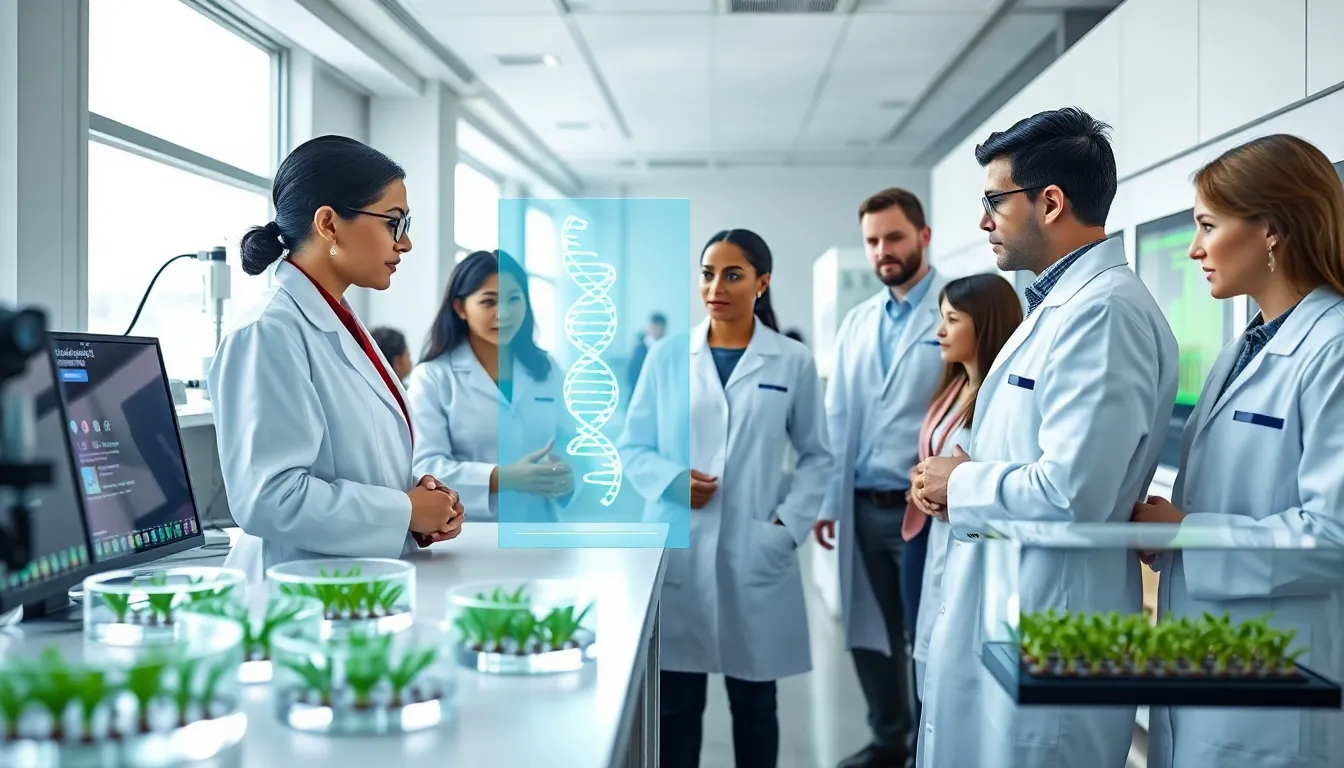
Biotech ideas are driving some of the most exciting advances in science, medicine, and sustainability. From gene editing to sustainable farming, biotechnology offers solutions to problems that once seemed unsolvable. Researchers and entrepreneurs are pushing boundaries, creating innovations that could reshape how people live, eat, and heal. This article explores the most promising biotech ideas across four key areas: personalized medicine, agriculture, manufacturing, and environmental protection. Each represents a frontier where biology meets technology to produce real-world impact.
Table of Contents
ToggleKey Takeaways
- Biotech ideas are transforming medicine, agriculture, manufacturing, and environmental protection with real-world solutions to global challenges.
- CRISPR gene editing and personalized medicine now enable targeted treatments for genetic diseases, with full genome sequencing costs dropping below $1,000.
- Sustainable agriculture biotech ideas like precision fermentation and lab-grown meat reduce environmental impact while addressing food security for a growing population.
- Synthetic biology allows scientists to program living cells to produce pharmaceuticals, biofuels, and materials like spider silk at commercial scale.
- Environmental biotechnology offers practical tools for carbon capture, plastic degradation, and bioremediation of contaminated sites.
- Despite rapid innovation, biotech ideas face ongoing challenges including ethical concerns, data privacy issues, and evolving regulatory frameworks.
Gene Editing and Personalized Medicine
Gene editing stands at the forefront of modern biotech ideas. CRISPR-Cas9 technology allows scientists to modify DNA with precision, opening doors to treatments for genetic diseases like sickle cell anemia and cystic fibrosis. In 2023, the FDA approved the first CRISPR-based therapy, marking a major milestone for the field.
Personalized medicine builds on this foundation. Instead of one-size-fits-all treatments, doctors can now use genetic information to prescribe therapies matched to individual patients. Cancer treatment has seen particular progress. Oncologists use tumor sequencing to identify mutations and select drugs that target specific pathways.
These biotech ideas extend beyond treatment. Pharmacogenomics studies how genes affect drug response, helping physicians avoid adverse reactions and improve outcomes. A patient’s genetic profile might reveal they metabolize certain medications too quickly or too slowly, allowing for dosage adjustments before problems occur.
The cost of genetic sequencing has dropped dramatically. What once cost millions now runs under $1,000 for a full genome. This price drop makes personalized approaches accessible to more patients. Startups and established pharmaceutical companies alike are investing heavily in this space, recognizing that targeted therapies often outperform traditional options.
Challenges remain. Ethical questions about genetic modification persist. Privacy concerns surround genetic data. And regulatory frameworks struggle to keep pace with rapid innovation. Still, gene editing and personalized medicine represent some of the most impactful biotech ideas currently in development.
Sustainable Agriculture Through Biotechnology
Agriculture faces enormous pressure. The global population will reach nearly 10 billion by 2050, and food production must increase accordingly. Biotech ideas offer paths forward that traditional farming cannot match.
Genetically modified crops resist pests, tolerate drought, and deliver higher yields. Bt cotton, engineered to produce its own insecticide, has reduced pesticide use in many regions. Golden Rice, fortified with vitamin A, addresses nutritional deficiencies in developing countries where rice serves as a dietary staple.
Beyond GMOs, precision fermentation is gaining momentum. This process uses microorganisms to produce proteins, fats, and other compounds typically derived from animals. Companies now manufacture dairy proteins without cows and egg whites without chickens. These biotech ideas reduce land use, water consumption, and greenhouse gas emissions compared to conventional animal agriculture.
Cellular agriculture takes things further. Lab-grown meat, produced from animal cells in bioreactors, reached restaurant menus in 2023. Singapore and the United States approved cultivated chicken for sale, signaling regulatory acceptance. While production costs remain high, economies of scale should bring prices down.
Soil health also benefits from biotechnology. Microbial inoculants enhance nutrient uptake and protect plants from disease. Nitrogen-fixing bacteria reduce the need for synthetic fertilizers, cutting costs for farmers and limiting runoff into waterways.
These agricultural biotech ideas address food security, environmental sustainability, and nutritional quality simultaneously. They represent practical solutions to urgent global challenges.
Biomanufacturing and Synthetic Biology
Synthetic biology treats living organisms as programmable systems. Scientists design genetic circuits, insert them into cells, and direct those cells to produce valuable compounds. This approach has generated biotech ideas with applications across industries.
Pharmaceutical manufacturing benefits significantly. Insulin, once extracted from pig pancreases, now comes from engineered bacteria. Artemisinin, a key antimalarial drug, is produced by modified yeast. These methods improve supply reliability and reduce production costs.
Materials science has entered the conversation. Spider silk, stronger than steel by weight, proved impossible to harvest at scale from spiders. Biotech companies now engineer microbes to produce spider silk proteins for textiles, medical sutures, and composite materials.
Biofuels represent another application. Algae and engineered bacteria convert sunlight and carbon dioxide into fuels, offering alternatives to petroleum. While commercial viability remains a work in progress, ongoing research continues to improve yields and reduce costs.
The biotech ideas emerging from synthetic biology extend to industrial chemicals, fragrances, and food ingredients. Vanillin, the primary compound in vanilla flavor, can now be produced through fermentation rather than extracted from vanilla beans or synthesized from petroleum derivatives.
Biomanufacturing facilities are scaling up worldwide. These factories use living cells instead of chemical reactions, often operating at lower temperatures and producing fewer toxic byproducts. The shift represents a fundamental change in how goods are made.
Environmental Biotechnology Solutions
Climate change and pollution demand new solutions. Biotech ideas are delivering practical tools for environmental remediation and carbon management.
Bioremediation uses microorganisms to clean contaminated sites. Bacteria break down oil spills, heavy metals, and industrial chemicals. This approach has proven effective at Superfund sites and in areas affected by mining operations. Engineered microbes can target specific pollutants, improving cleanup efficiency.
Carbon capture is gaining attention. Some biotech ideas focus on enhancing photosynthesis in plants or algae to sequester more atmospheric carbon. Others engineer microbes to convert captured CO2 into useful products like plastics or fuels, creating economic incentives for carbon removal.
Plastic pollution presents another target. Researchers have identified and engineered enzymes that break down PET plastics. These enzymes could enable recycling of materials currently destined for landfills or oceans. Several companies are working to scale enzymatic plastic degradation for commercial use.
Water treatment benefits from biotechnology as well. Algae-based systems remove nitrogen and phosphorus from wastewater. Microbial fuel cells generate electricity while treating organic waste. These biotech ideas reduce energy consumption and operating costs compared to conventional treatment plants.
Biodegradable materials offer pollution prevention rather than cleanup. Packaging made from bacterial cellulose or engineered polymers breaks down safely in the environment. As regulations on single-use plastics tighten, demand for these alternatives continues to grow.
Environmental biotech ideas address legacy contamination, ongoing emissions, and future waste streams. They provide tools for protecting ecosystems while supporting economic activity.

