

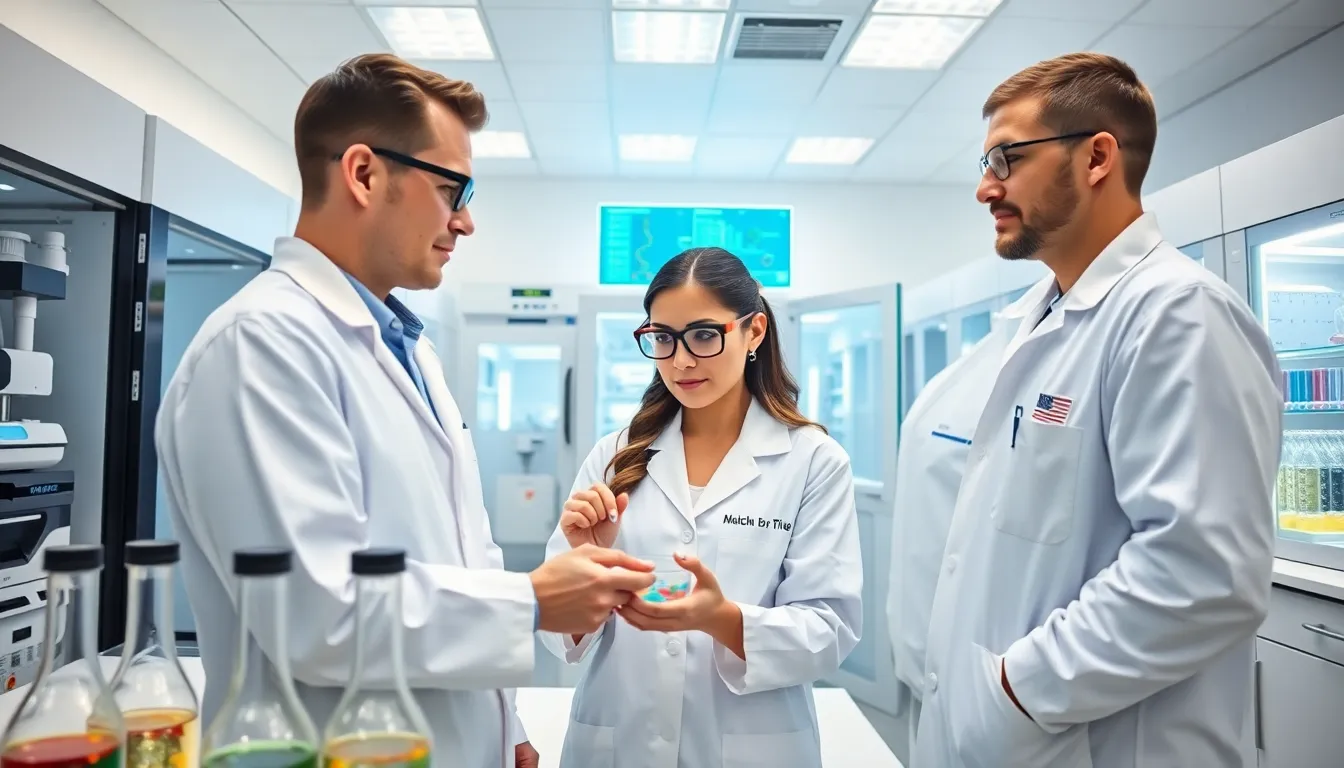
Biotech techniques drive discoveries across medicine, agriculture, and environmental science. These methods allow scientists to modify genes, grow cells in controlled environments, and analyze proteins with remarkable precision. From CRISPR gene editing to advanced cell culture systems, biotechnology has become essential to modern research and industry. This article explores the core biotech techniques that researchers use today, explains how each method works, and highlights where the field is heading next.
Table of Contents
ToggleKey Takeaways
- Biotech techniques like CRISPR, PCR, and recombinant DNA technology enable precise genetic modifications for medicine, agriculture, and environmental science.
- CRISPR-Cas9 has revolutionized gene editing by offering an inexpensive, accurate, and easy-to-use method for modifying DNA sequences.
- Cell culture methods, including 3D organoids and stem cell technology, allow researchers to study diseases and test drugs in controlled environments.
- Protein analysis biotech techniques such as chromatography, mass spectrometry, and western blotting are essential for drug development and diagnostics.
- Emerging applications like synthetic biology, gene therapy, and mRNA technology are expanding the possibilities of biotechnology for treating diseases and creating sustainable materials.
Understanding the Foundations of Biotechnology
Biotechnology combines biology with technology to develop products and solutions. The field relies on living organisms, cells, and biological systems to create everything from insulin to biofuels.
At its core, biotechnology uses several fundamental principles:
- DNA manipulation: Scientists can cut, copy, and paste genetic material to change how organisms function.
- Cell biology: Understanding how cells grow, divide, and respond to their environment is critical.
- Biochemistry: Proteins, enzymes, and metabolic pathways provide the tools and targets for biotech applications.
Modern biotech techniques build on decades of research. The discovery of DNA’s structure in 1953 opened doors to genetic engineering. The development of recombinant DNA technology in the 1970s made it possible to combine genetic material from different sources. Today, biotech techniques have become faster, cheaper, and more precise than ever before.
Researchers apply these foundational principles in laboratories worldwide. They use biotech techniques to study diseases, develop new drugs, improve crop yields, and clean up environmental pollution. Each application requires specific methods suited to the task at hand.
Key Techniques in Genetic Engineering
Genetic engineering represents one of the most powerful biotech techniques available today. It allows scientists to add, remove, or modify DNA sequences in living organisms.
CRISPR-Cas9 Gene Editing
CRISPR has transformed genetic engineering since its development in 2012. This system uses a guide RNA to direct an enzyme called Cas9 to specific locations in the genome. The enzyme then cuts the DNA at that precise spot. Researchers can delete genes, insert new sequences, or correct mutations using this approach.
CRISPR offers several advantages over older methods. It’s relatively inexpensive, easy to use, and highly accurate. Scientists have used CRISPR to develop disease-resistant crops, create animal models for human diseases, and explore potential treatments for genetic disorders.
Polymerase Chain Reaction (PCR)
PCR remains essential to genetic research. This technique amplifies small DNA samples into millions of copies. A single drop of blood can yield enough genetic material for detailed analysis.
The process involves repeated heating and cooling cycles. Each cycle doubles the amount of target DNA. Within hours, researchers have enough material to sequence, clone, or analyze.
Recombinant DNA Technology
Recombinant DNA technology involves combining genetic material from different sources. Scientists use restriction enzymes to cut DNA at specific sequences. They then use ligases to join DNA fragments together.
This technique enabled the production of human insulin in bacteria, a breakthrough that changed diabetes treatment forever. Today, many medications, vaccines, and industrial enzymes are produced using recombinant DNA biotech techniques.
Cell and Tissue Culture Methods
Cell culture biotech techniques allow scientists to grow cells outside their natural environment. These methods provide controlled conditions for studying cell behavior, testing drugs, and producing biological products.
Mammalian Cell Culture
Mammalian cells require specific conditions to survive and multiply. Researchers maintain them in incubators at 37°C with controlled humidity and carbon dioxide levels. Growth media supply nutrients, hormones, and growth factors.
Pharmaceutical companies use mammalian cell cultures to produce antibodies and complex proteins. Chinese hamster ovary (CHO) cells are particularly popular for manufacturing biologic drugs. These cells can add the proper sugar molecules to proteins, making them suitable for human use.
Stem Cell Technology
Stem cells can develop into many different cell types. Scientists culture stem cells to study development, model diseases, and explore regenerative medicine.
Induced pluripotent stem cells (iPSCs) have expanded research possibilities. Scientists can reprogram adult cells into stem cells, then direct them to become specific cell types. This approach lets researchers create patient-specific cells for drug testing and potential therapies.
3D Cell Culture and Organoids
Traditional cell cultures grow in flat layers, but real tissues are three-dimensional. Advanced biotech techniques now support 3D cell culture systems that better mimic actual organs.
Organoids are miniature, simplified versions of organs grown from stem cells. Researchers have created brain, liver, kidney, and intestinal organoids. These structures help scientists study organ development and test how drugs affect human tissues.
Protein Analysis and Purification
Proteins perform most biological functions. Understanding and manipulating proteins requires specialized biotech techniques for analysis and purification.
Chromatography
Chromatography separates proteins based on their physical and chemical properties. Different types include:
- Size-exclusion chromatography: Separates proteins by molecular weight
- Ion-exchange chromatography: Separates proteins by electrical charge
- Affinity chromatography: Captures proteins based on specific binding interactions
Purified proteins are essential for research, diagnostics, and therapeutics. Pharmaceutical companies use chromatography to produce purified antibodies for cancer treatment.
Mass Spectrometry
Mass spectrometry identifies proteins and measures their abundance. The technique ionizes protein molecules and separates them by mass-to-charge ratio.
Researchers use mass spectrometry to analyze thousands of proteins simultaneously. This approach, called proteomics, reveals how protein levels change in disease states or in response to treatments.
Western Blotting
Western blotting detects specific proteins in a sample. The technique separates proteins by size, transfers them to a membrane, and uses antibodies to identify target proteins.
Laboratories use western blots to confirm protein expression, measure protein levels, and verify experimental results. It remains a standard biotech technique in both academic and industrial settings.
Emerging Biotech Applications
New biotech techniques continue to expand what scientists can achieve. Several areas show particular promise for the coming years.
Synthetic Biology
Synthetic biology takes genetic engineering further by designing biological systems from scratch. Scientists create new genetic circuits, metabolic pathways, and even minimal genomes.
Companies use synthetic biology to produce sustainable materials, flavors, and fragrances. Researchers are developing microorganisms that can convert waste into valuable chemicals or produce biofuels more efficiently.
Gene Therapy
Gene therapy aims to treat diseases by correcting genetic defects. New biotech techniques have made gene therapy safer and more effective.
The FDA has approved several gene therapies for conditions like inherited blindness and certain blood disorders. Ongoing clinical trials are testing gene therapy for muscular dystrophy, sickle cell disease, and some cancers.
mRNA Technology
The success of mRNA vaccines during the COVID-19 pandemic highlighted this platform’s potential. mRNA biotech techniques instruct cells to produce specific proteins that trigger immune responses.
Researchers are now applying mRNA technology beyond vaccines. Clinical trials are exploring mRNA-based treatments for cancer, rare diseases, and autoimmune conditions.

