

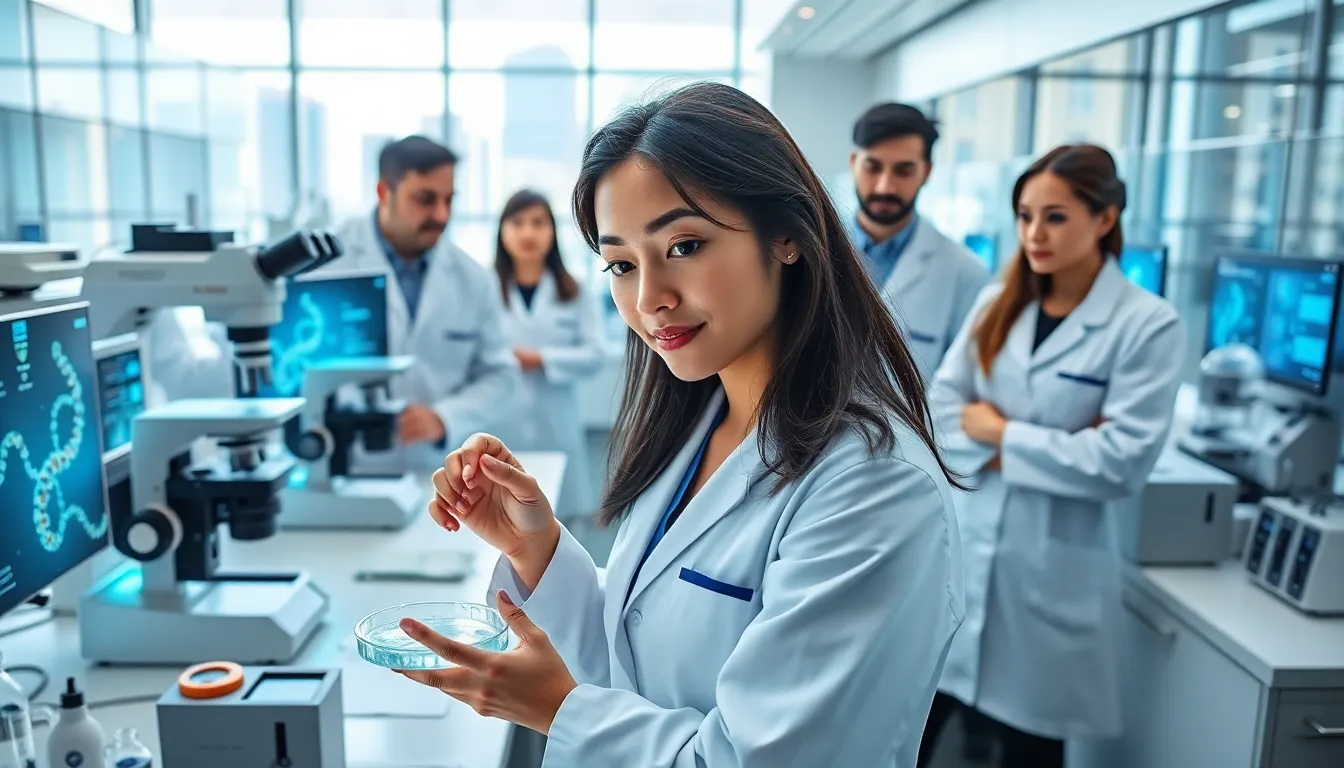
What is biotech? This question matters more today than ever before. Biotechnology uses living organisms, cells, and biological systems to create products and technologies that improve human life. From life-saving medicines to drought-resistant crops, biotech touches nearly every aspect of modern existence.
The biotechnology industry has grown into a global powerhouse worth hundreds of billions of dollars. It employs millions of scientists, researchers, and technicians worldwide. Yet many people remain unfamiliar with what biotech actually does or how it works.
This guide breaks down biotechnology into clear, digestible concepts. It covers the science behind biotech, the industries it shapes, and its impact on daily life. Whether someone is considering a career in the field or simply curious about the technology behind their insulin prescription, this article provides the essential knowledge they need.
Table of Contents
ToggleKey Takeaways
- Biotech uses living organisms and biological systems to create products that improve human life, from medicines to sustainable materials.
- Core biotech techniques include genetic engineering, cell culture, fermentation, and bioprocessing—each enabling scalable, real-world applications.
- Healthcare has been transformed by biotech, with over half of new FDA-approved drugs now coming from biotechnology processes.
- Agricultural biotech helps feed a growing population through pest-resistant crops, higher yields, and innovations like lab-grown meat.
- Everyday products like laundry detergents, DNA testing kits, and even cheese rely on biotechnology.
- The global biotech market is projected to exceed $3 trillion by 2030, driven by CRISPR, synthetic biology, and AI-powered drug discovery.
Defining Biotechnology and Its Core Principles
Biotechnology combines biology with technology to solve problems and create useful products. At its core, biotech manipulates living organisms at the cellular or molecular level. Scientists use these techniques to develop new medicines, improve food crops, and create sustainable materials.
The term “biotechnology” first appeared in 1919, but humans have practiced basic biotech for thousands of years. Ancient civilizations used fermentation to make bread, beer, and cheese. They didn’t understand the science, but they harnessed biological processes to transform raw ingredients.
Modern biotech operates on several key principles:
- Genetic Engineering: Scientists modify an organism’s DNA to give it new traits. This process allows researchers to create insulin-producing bacteria or pest-resistant plants.
- Cell Culture: Laboratories grow cells outside their natural environment. This technique produces vaccines, antibodies, and tissue for medical research.
- Fermentation: Microorganisms like yeast and bacteria convert sugars into other substances. Biotech companies use industrial fermentation to manufacture drugs, biofuels, and food additives.
- Bioprocessing: Large-scale manufacturing uses living cells to produce commercial products. This includes everything from therapeutic proteins to biodegradable plastics.
What is biotech without these foundational techniques? It’s essentially traditional biology. The “tech” part comes from applying engineering principles to biological systems, making them predictable and scalable.
Major Industries Shaped by Biotechnology
Biotechnology has transformed multiple industries over the past few decades. Two sectors stand out for their dramatic changes: healthcare and agriculture.
Healthcare and Pharmaceuticals
The pharmaceutical industry relies heavily on biotech innovations. More than half of all new drugs approved by the FDA now come from biotechnology processes. These include monoclonal antibodies, gene therapies, and recombinant proteins.
Consider insulin. Before biotech, diabetic patients used insulin extracted from pig or cow pancreases. In 1982, scientists created the first genetically engineered human insulin using bacteria. This biotech breakthrough made treatment safer, more effective, and more affordable.
Cancer treatment has also been revolutionized by biotech. CAR-T cell therapy reprograms a patient’s own immune cells to attack tumors. This approach has achieved remarkable results in certain blood cancers. Biotech continues to push boundaries with mRNA vaccines, CRISPR gene editing, and personalized medicine.
Agriculture and Food Production
Agricultural biotech helps feed a growing global population. Scientists have developed crops that resist pests, tolerate drought, and produce higher yields. These genetically modified organisms (GMOs) now cover over 190 million hectares worldwide.
Biotech also improves food nutrition. Golden rice, engineered to produce beta-carotene, addresses vitamin A deficiency in developing countries. Other biotech foods include non-browning apples and soybeans with healthier oil profiles.
Beyond crops, biotech influences animal agriculture. Aquaculture uses genetically modified salmon that grow faster than conventional fish. Researchers are developing lab-grown meat that could reduce the environmental impact of livestock farming.
How Biotechnology Impacts Everyday Life
What is biotech’s role in daily routines? More significant than most people realize. Biotech products appear in medicine cabinets, kitchens, and even laundry rooms.
The enzyme in laundry detergent that removes tough stains? Biotech companies produce it using genetically modified bacteria. Those enzymes break down proteins and fats more effectively than traditional chemicals. They also work at lower temperatures, saving energy.
DNA testing services have made biotech personal. Companies like 23andMe and AncestryDNA use biotechnology to analyze genetic samples from millions of customers. People learn about their ancestry, health risks, and family connections through these biotech applications.
The COVID-19 pandemic brought biotech into sharp focus. The mRNA vaccines from Pfizer-BioNTech and Moderna represented decades of biotech research. These vaccines were developed, tested, and distributed in record time, a direct result of biotechnology advances.
Environmental applications of biotech are expanding too. Bioremediation uses microorganisms to clean up oil spills and toxic waste sites. Biotech companies produce biodegradable plastics from plant materials. Some startups even engineer bacteria to capture carbon dioxide from the atmosphere.
Even the cheese on pizza might involve biotech. About 90% of hard cheese in the United States uses chymosin produced by genetically modified microorganisms. This replaced the traditional method of extracting rennet from calf stomachs.
The Future of Biotechnology
The biotech industry shows no signs of slowing down. Analysts project the global biotechnology market will exceed $3 trillion by 2030. Several emerging technologies will drive this growth.
CRISPR gene editing remains the most exciting development. This technology allows scientists to edit DNA with unprecedented precision. Researchers are using CRISPR to develop treatments for genetic diseases like sickle cell anemia and muscular dystrophy. Agricultural applications could create crops that withstand climate change.
Synthetic biology pushes biotech even further. Scientists design and build entirely new biological systems from scratch. They create organisms that don’t exist in nature to perform specific functions. Some companies engineer yeast to produce flavors, fragrances, and even spider silk.
Personalized medicine will reshape healthcare. Biotech enables treatments based on individual genetic profiles. Doctors can select drugs that work best for specific patients, reducing side effects and improving outcomes. Cancer treatment is leading this shift toward precision medicine.
The intersection of biotech and artificial intelligence opens new possibilities. AI algorithms can analyze biological data faster than human researchers. This speeds up drug discovery and helps identify new therapeutic targets. What is biotech’s potential when combined with machine learning? Possibly transformative.
Challenges remain, of course. Ethical questions about gene editing in humans spark debate. Regulatory frameworks struggle to keep pace with innovation. Public understanding of biotech lags behind scientific advances. But the momentum behind biotechnology suggests it will continue reshaping industries and improving lives.

